
Sustainable farming in Britain refers to production methods that maintain or improve yields while reducing environmental harm, measured across soil health, water quality, biodiversity and greenhouse gas output. The shift is not abstract: England’s post-Brexit subsidy regime now ties public money directly to environmental outcomes, replacing the area-based payments that dominated for decades. That policy architecture, combined with on-farm technology and new market pressures, is reshaping how British agriculture operates at a practical level.
SFI funding and the planning gap facing British farmers
The Sustainable Farming Incentive (SFI) is the centrepiece of England’s environmental land management approach. It pays farmers to carry out specific actions, from hedgerow management to cover cropping, nutrient management and integrated pest control.
See also: High Street survival: how British businesses are reinventing retail
Demand has outstripped supply in ways that complicate farm business planning. The SFI 2026 application window closed within hours after its budget was exhausted, leaving some farmers unable to secure support for environmental work they had already begun preparing. For a scheme designed to encourage long-term behavioural change, unpredictable access to funding undermines the confidence it needs to build.
This is a structural problem, not a teething issue. Farmers investing in sustainable transitions often face upfront costs (new equipment, changed rotations, reduced short-term yields) that only make financial sense with guaranteed multi-year support. When a window shuts overnight, the signal it sends is that environmental ambition carries financial risk.
Recommended read: Brexit aftermath: economic implications for UK businesses in 2026
Soil health data: uptake without a national evidence base
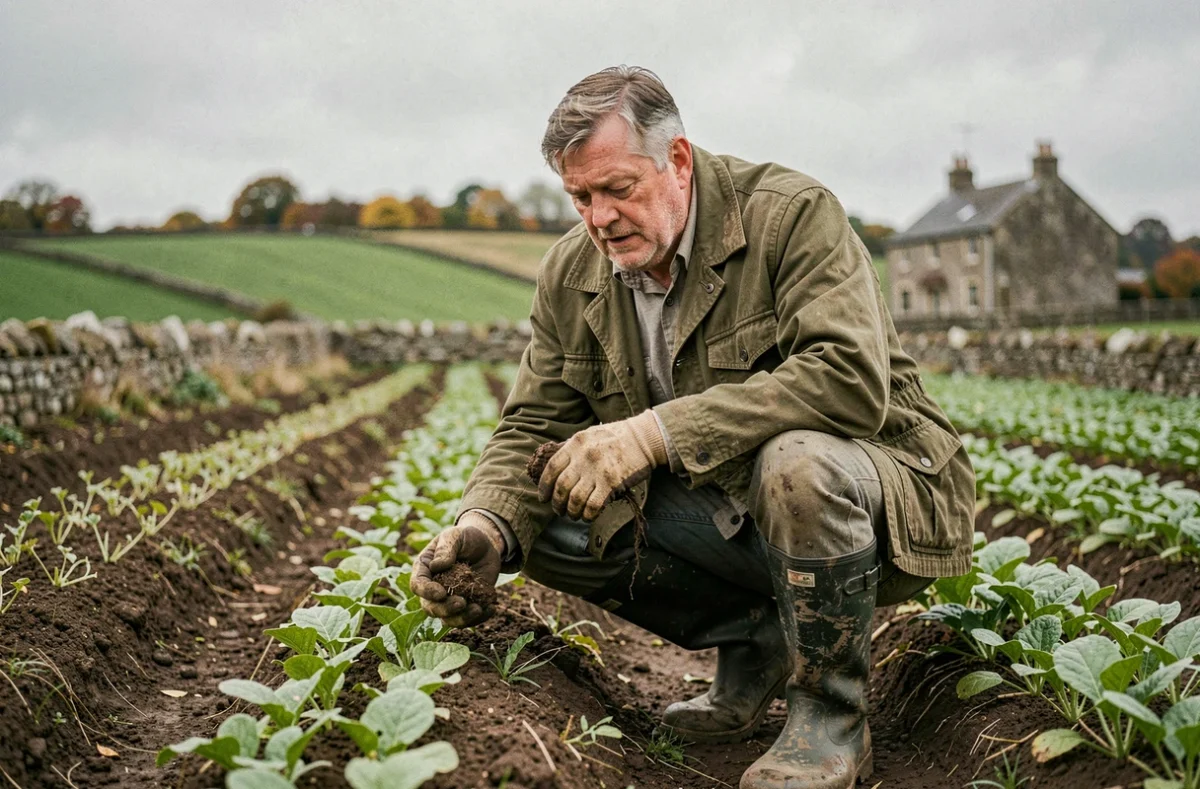
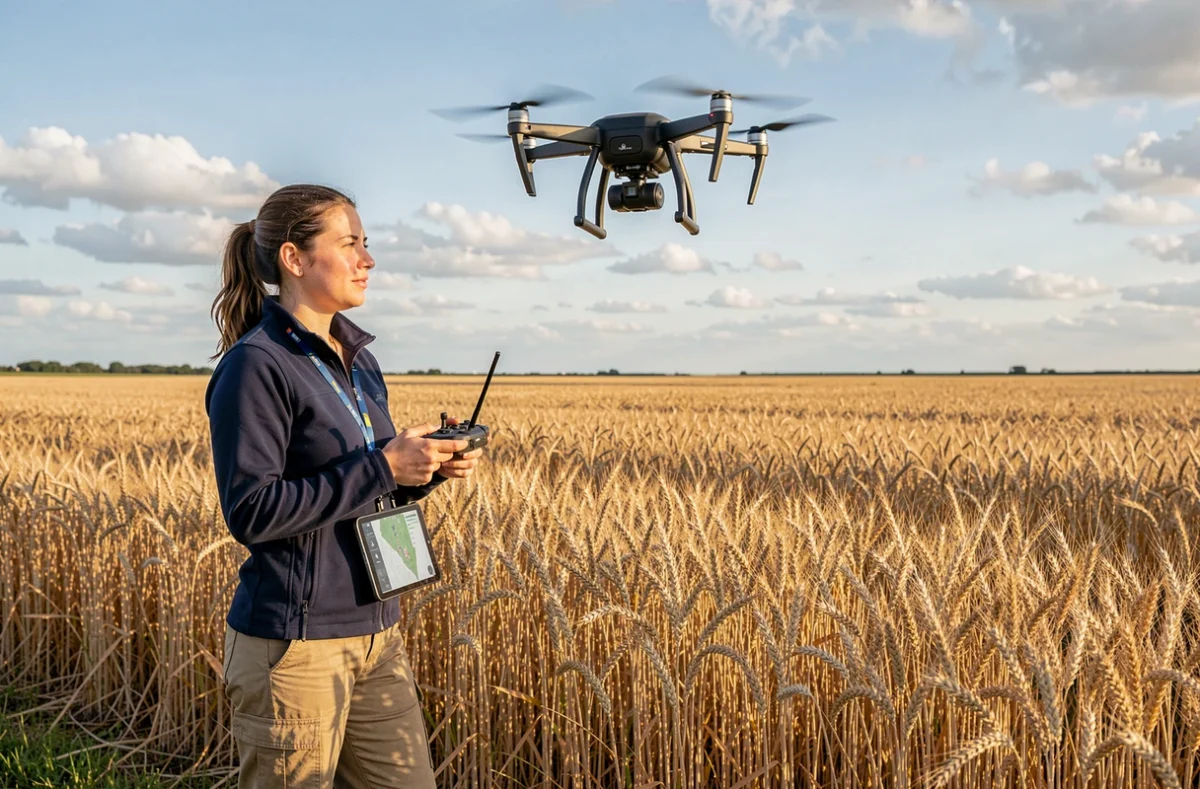
Soil assessment is one of the most popular SFI actions. Farmers test their soils, record results and receive payment for doing so. On paper, this looks like a win: widespread adoption of a practice that underpins everything from carbon sequestration to water retention.
The difficulty is that uptake of a funded practice is not the same as evidence of improvement. Individual soil tests inform individual farm decisions, but the resulting data is not being aggregated into a national picture. Defra’s national soil-health baseline remains under development despite a policy commitment to improve soil-data quality and availability.
Without that baseline, there is no way to measure whether the collective investment in soil assessment actions is actually shifting soil health at landscape scale. The gap matters because soil condition sits at the centre of multiple policy goals:
- Carbon storage targets depend on knowing whether organic matter levels in arable soils are rising or falling over time
- Water quality improvements require data on nutrient run-off patterns across catchments, not just field-level snapshots
- Biodiversity outcomes above ground are linked to biological activity below it, which only consistent monitoring can track
A funded scheme that generates farm-level data but no national learning represents a missed opportunity. Bridging that gap would require standardised protocols and a central repository, neither of which is yet operational at scale.
England’s organic action plan and supply-chain barriers
Organic farming occupies a small fraction of English agricultural land. Defra has published an Organic Action Plan for England, aiming to increase the proportion of organically managed land over the coming decade. The plan goes beyond conversion subsidies to address the structural reasons why organic adoption has remained low.
Advice, peer networks and market access
Farmers considering organic conversion face a cluster of obstacles that financial incentives alone do not resolve. The action plan identifies advisory support, peer-to-peer learning networks, and supply-chain development as priorities alongside direct payments.
Market access is the most tangible of these. A farmer who converts to organic production needs a buyer willing to pay a premium, and a supply chain capable of handling segregated product. Without those downstream links, conversion becomes a cost centre rather than a viable business model. The plan addresses not only on-farm practice but also market opportunities and supply chains.
Why broad sustainable farming discussions often miss this
Technology-led narratives about agricultural innovation tend to focus on inputs (precision application, sensor data, robotics) rather than market structure. Organic farming’s challenges are less about hardware and more about coordination: matching production volumes with processing capacity, retail demand and export channels. The action plan’s inclusion of supply-chain measures marks a recognition that sustainable farming cannot scale through production-side interventions alone.
Precision agriculture technology on British farms
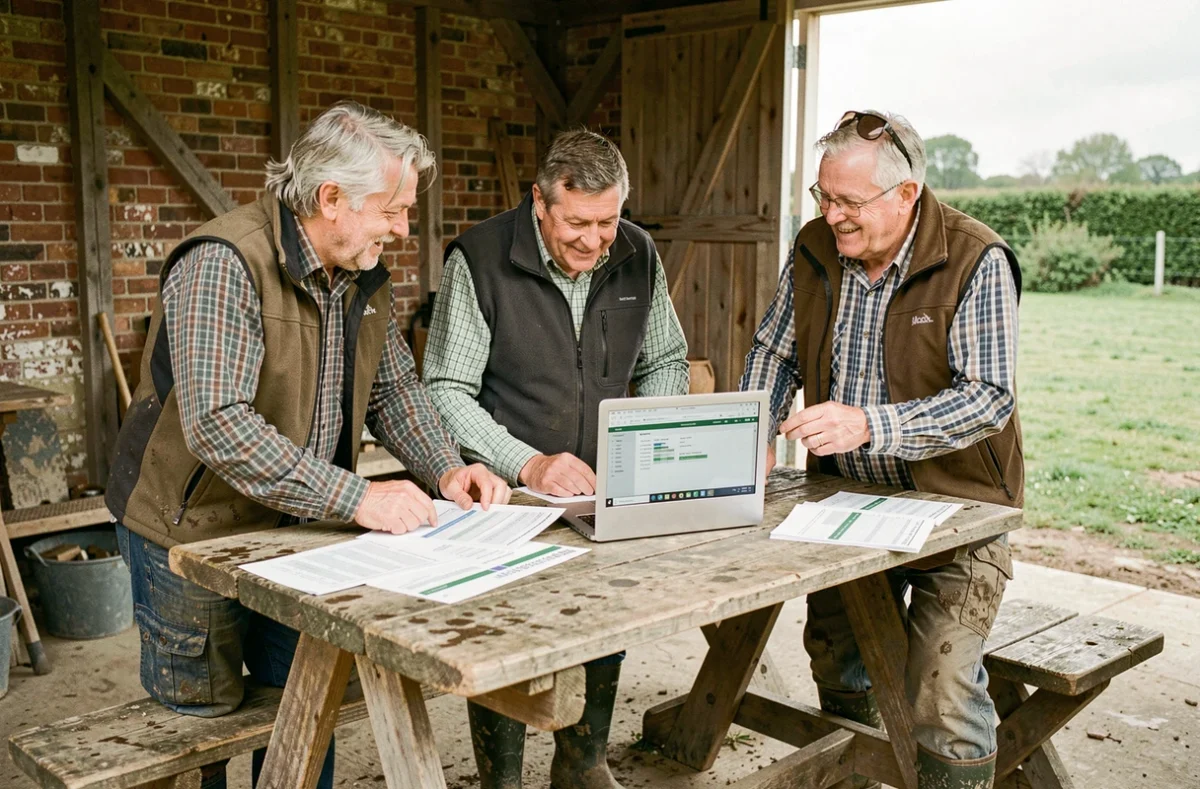
Publicly funded competitions support collaborative projects that combine farmers, researchers and technology developers to raise productivity and sustainability. The projects with clearest on-farm impact tend to cluster around a few themes:
- Variable-rate application systems that adjust fertiliser or crop protection inputs field by field, reducing total chemical use while maintaining yield
- Remote sensing and satellite imagery for early detection of crop stress, disease or nutrient deficiency
- Water management tools that improve irrigation scheduling, particularly relevant as English summers become less predictable
- Data platforms that integrate weather, soil and crop information into decision-support dashboards accessible to working farmers, not just agronomists
The collaborative requirement matters. Technology developed without farmer involvement risks solving the wrong problem or producing tools that do not fit real workflows. Requiring mixed teams pushes agricultural innovation closer to the practical constraints of British farming, where field sizes, soil types and climate variability differ markedly from the large-scale arable systems where much agritech originates.
Devolved policy and the limits of an England-centred view
Agricultural policy is devolved across the UK. Scotland, Wales and Northern Ireland each run distinct support schemes with different priorities and timelines. Most cited schemes and targets apply to England specifically, not to British agriculture as a whole.
This matters for any discussion of sustainable farming innovation. A farmer in Ceredigion operates under a different regulatory and financial framework from one in Cambridgeshire. Cross-border supply chains, shared research institutions and UK-wide climate targets create common ground, but the policy tools available to drive change vary by nation. Treating “British agriculture” as a single system overstates coherence and risks misrepresenting what support is actually accessible to individual farm businesses.
The direction of travel across all four nations points towards linking public funding to environmental delivery. The pace, mechanisms and budgets differ. For farmers navigating this transition, the practical question is less about whether sustainable innovation is the future and more about whether the funding, data infrastructure and market conditions will be reliable enough to build a business around.