
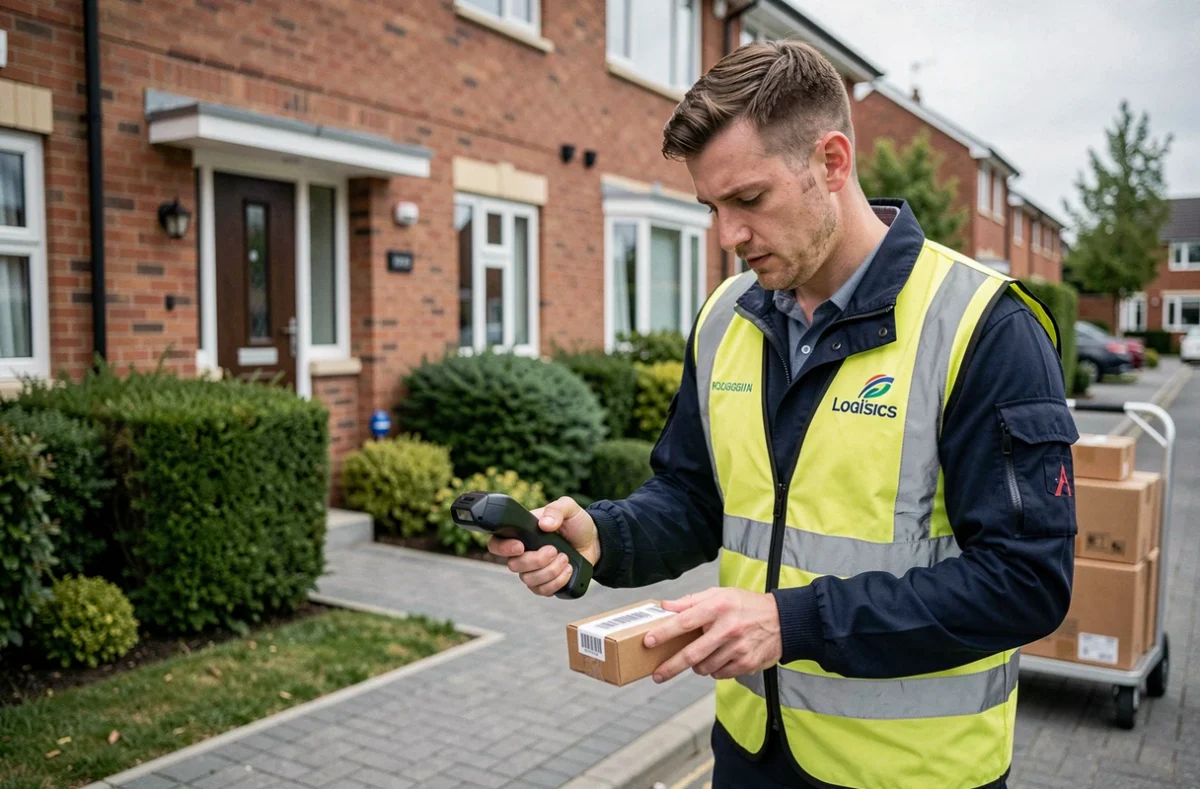
Every year, billions of parcels move across the United Kingdom. The courier industry has seen volumes climb steadily year on year, and that trajectory shows no sign of levelling off. For businesses that rely on delivery partners, the question in 2026 is no longer just “how fast?” but “how reliably, and through which channel?”
Locker and pickup networks for UK parcel delivery: growth versus reliability
Have you ever redirected a parcel to a local shop or locker because you knew you would not be home? That choice is becoming central to how courier services plan their operations.
Recommended read: Green energy services in the UK: The roadmap to a sustainable future.
DPD UK is creating a standalone out-of-home delivery business, treating lockers and pickup points as a strategic line rather than an afterthought. Out-of-home delivery is now a core business model, not a convenience feature.
A bigger network of collection points sounds like a clear improvement. More locations should mean shorter trips for customers and fewer failed doorstep deliveries.
Related reading: The rise of home care services in the UK: A look into 2026
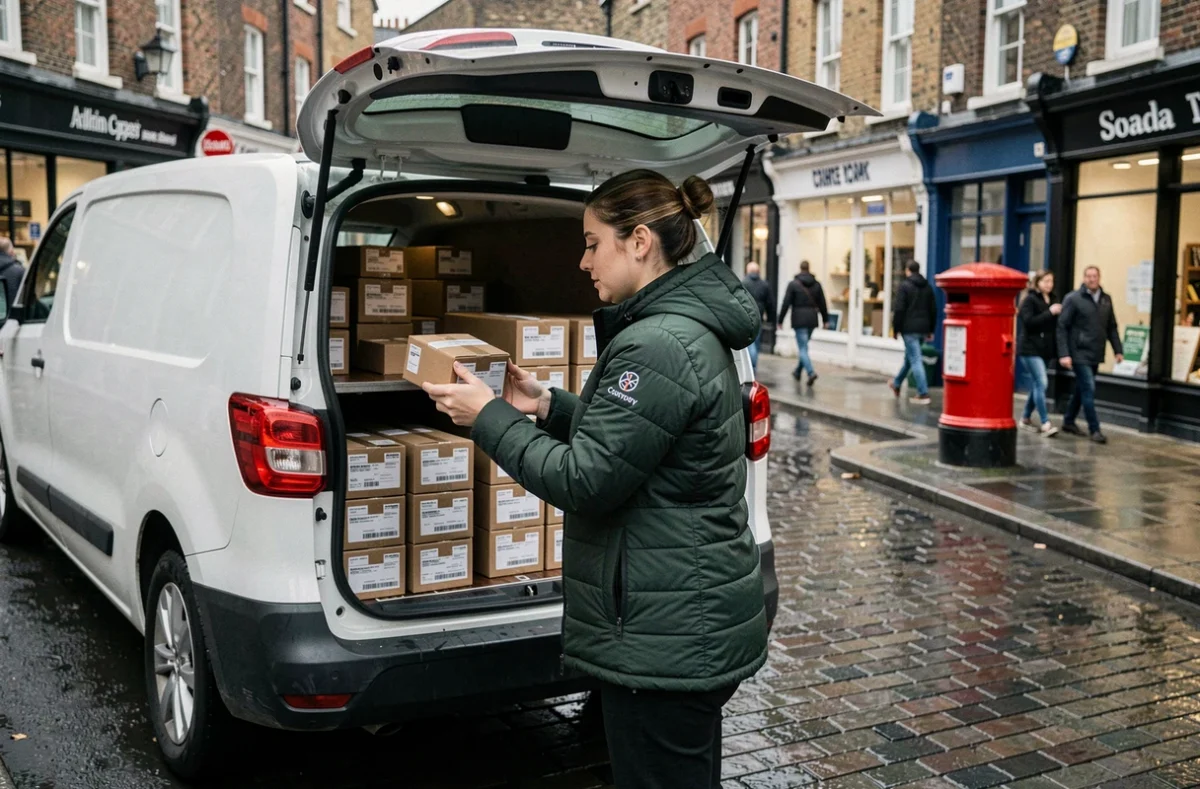
The reality is more complicated. Pickup points depend on reliable collection routes, consistent scanning and enough capacity at each location. A shop agreeing to hold parcels does not guarantee that a driver will collect them on time, or that the store can cope during peak periods. Evri experienced parcel disruption that hit retailers nationwide during a network reorganisation, showing exactly this kind of operational risk.
More pickup locations do not automatically mean better service. The logistics behind each point need to function just as smoothly as the customer-facing promise.
Checkout design and how retailers shape your delivery choice
The delivery option you select at checkout is not purely a personal preference. How a retailer presents those options, from pricing to default selections to how prominently lockers appear, can shift a large share of customers towards out-of-home collection.
Why does this matter? It changes the demand profile courier firms must handle. When a retailer prices home delivery at a premium and highlights a free locker option, the split between doorstep and collection moves noticeably. Couriers then need fewer home-delivery drivers but more locker capacity and collection runs.
For UK courier services planning fleets and routes in 2026, retailer checkout design directly influences last-mile logistics costs. A courier that only offers doorstep delivery risks being dropped by retailers wanting to push volume towards cheaper fulfilment channels.
Failed deliveries and the real cost to UK businesses
Each failed first-time delivery triggers a second or third journey, a customer service contact, and sometimes a lost sale entirely. Multiply that across millions of parcels and the expense becomes staggering.
Several factors push failure rates upward:
- Narrow delivery windows that clash with when recipients are actually home, particularly for working households
- Insufficient pre-delivery communication, leaving customers unable to plan around an arrival
- Inadequate safe-place instructions, meaning drivers default to returning the parcel to a depot
Real-time tracking and proactive notifications have moved from premium extras to baseline expectations. Customers now want a text or app alert giving a specific delivery slot, with the ability to redirect a parcel mid-journey if plans change.
The courier services gaining ground in 2026 are those that reduce failed deliveries through better data sharing with retailers, not those that simply promise faster speeds.
Accessibility and driver time pressures
Citizens Advice research found that delivery targets can leave drivers too little time to meet customers’ accessibility needs. A driver rushing to hit a drop count has limited capacity to wait for someone with reduced mobility to answer the door, or to carry a heavy parcel to a specific spot within a property.
This is far from a niche concern. An ageing population and tightening accessibility expectations mean courier firms need pay models and time allowances that support proper service at the doorstep. Speed targets that undermine accessibility create regulatory and reputational risk.
UK courier service costs and what drives pricing in 2026
Downward pressure on per-parcel revenue benefits senders, but it squeezes courier margins and affects service quality.
The domestic courier, express and parcel market is valued at approximately USD 12.05 billion in 2025, projected to reach USD 14.12 billion by 2030 according to Mordor Intelligence. Growth is steady rather than dramatic, so courier firms compete fiercely on price while trying to maintain or lift service levels.
Several cost pressures shape what businesses actually pay:
- Fuel and energy costs for fleets transitioning towards electric vehicles
- Labour costs, especially as driver pay models face scrutiny from regulators and advocacy groups
- Cross-border complexity post-Brexit, adding customs paperwork and delays for international shipments
- Returns handling, which can cost as much as outbound delivery for certain product categories
For businesses shipping regularly, using two or three carriers balances cost, speed and risk more effectively than relying on a single provider. No single UK courier wins on every metric.
What separates UK courier services that will thrive in 2026
The courier firms best positioned this year share a few practical traits. They invest in out-of-home infrastructure but back it with reliable collection operations. They integrate with retailer systems so delivery data flows in both directions. They give drivers realistic schedules rather than targets that sacrifice service quality.
Ongoing regulatory attention to postal affordability and service standards means the sector faces continued scrutiny. Across the industry, no carrier has scored particularly highly on independent performance measures, which suggests considerable room for improvement.
Reliability, transparent tracking and operational flexibility define the competitive edge more than raw delivery speed. A parcel that arrives predictably at a time and place the customer chose is worth more than one that arrives an hour faster but needs three attempts.
The shift towards lockers, pickup points and smarter checkout integration will accelerate through this year and beyond. Businesses choosing courier partners in 2026 should look past headline delivery times and ask harder questions: what happens when the first attempt fails, how accessible is the service, and does the courier’s network actually perform at the scale it promises?